
Car warning lights are your vehicle’s way of telling you that something needs attention. Ignoring them may seem harmless when the car still drives normally, but small faults can quickly become expensive repairs or serious safety problems.
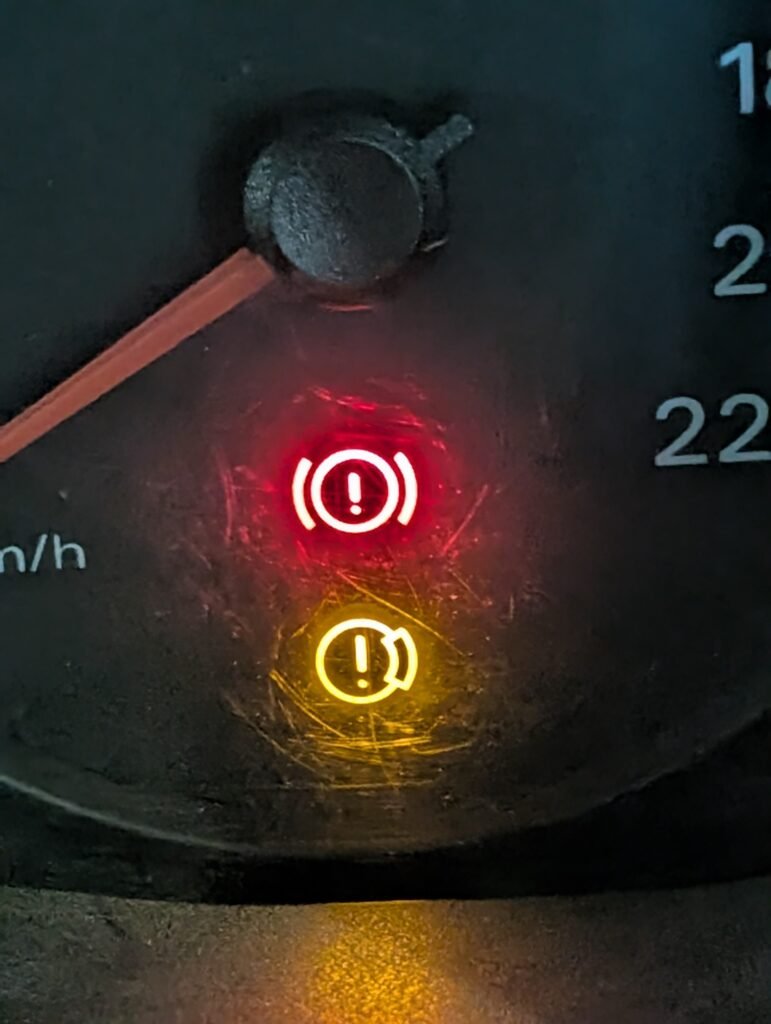
What Car Warning Lights Are Telling You
Warning lights monitor important systems such as the engine, brakes, oil pressure, battery, cooling system, and tyres. Some lights are a reminder to arrange a check soon, while others mean you should stop driving as soon as it is safe.
Common Car Warning Lights to Know
- Check engine light: This can relate to emissions, sensors, ignition, fuel systems, or other engine-management faults. A flashing light needs urgent attention.
- Oil pressure light: Stop safely and switch off the engine as soon as possible. Continuing to drive with low oil pressure can cause severe engine damage.
- Battery or charging light: The alternator, battery, belt, or charging system may need inspection. The vehicle may eventually stop once the battery loses charge.
- Brake warning light: This may indicate low brake fluid, a brake-system fault, or that the handbrake is still applied. Do not ignore a brake warning.
- Temperature warning light: The engine may be overheating. Stop safely, switch off the engine, and allow it to cool before arranging assistance.
- Tyre pressure light: Check your tyre pressures and inspect for damage. Driving on an underinflated or damaged tyre can be unsafe.
Red and Amber Warning Lights
As a general guide, red car warning lights usually indicate a problem that may require immediate action. Pull over safely and arrange professional advice, especially if the vehicle is overheating, losing power, making unusual noises, or handling differently.
Amber or yellow warning lights generally mean the vehicle should be checked soon. The car may still be driveable, but continuing to use it without diagnosis can allow the problem to worsen.
Common Mistakes Drivers Make
- Continuing to drive with a flashing check engine light.
- Ignoring red oil pressure, brake, or temperature warnings.
- Assuming the vehicle is safe because it still drives normally.
- Resetting or disconnecting the battery just to turn a warning light off.
- Waiting until the next scheduled service instead of arranging a diagnostic check.
- Relying on online guesses rather than having the vehicle properly inspected.
- Ignoring a warning light that disappears and later returns.
Turning a light off does not fix the fault. It only removes the warning temporarily, and the underlying problem may still be affecting the vehicle.
What to Do When a Warning Light Appears
- Stay calm and check which warning light has appeared.
- Look for other symptoms, such as smoke, overheating, unusual noises, loss of power, or changes in braking.
- If the light is red, flashing, or accompanied by serious symptoms, stop in a safe location and avoid continuing to drive.
- If the light is amber and the vehicle feels normal, arrange a professional diagnostic check as soon as practical.
- Tell the mechanic when the light appeared, whether it is constant or intermittent, and what the vehicle was doing at the time.
Why Delaying Can Cost More
A warning light may relate to a small sensor, a worn component, a fluid problem, or a larger system fault. Without a proper diagnosis, it is impossible to know the cause from the dashboard light alone.
Delaying a check can lead to more damage, reduced fuel economy, unreliable starting, poor vehicle performance, or a safety issue. Early diagnosis often gives you more repair options and helps prevent an unexpected breakdown.
When to Contact Welmor Mechanical
If a warning light has appeared on your dashboard, Welmor Mechanical can help with vehicle diagnostics, warning-light checks, servicing, and repairs. We service drivers in East Rockingham and surrounding areas.
Do not wait for a warning light to become a breakdown. Contact Welmor Mechanical to arrange a professional check and find out what your vehicle needs.